Think of a meal that makes you happiest. For most of us, either it’s a steaming bowl of ramen or scrumptious lamb drizzled with generous amounts of tahini in the form of a shawarma. The food has undergone so many variations in different cultures and countries; one wonders, what is shawarma?
Usually, shawarma shows up wrapped in warm pita, stuffed into bread, or piled into a bowl; whatever form it takes, it hits the spot.
People ask all the time: what exactly is shawarma?
Fair question. Walk into any Middle Eastern spot, and you will find a dozen different styles, flavors, and spins on the classic. At its core, shawarma is Middle Eastern street food with roots deep in the Ottoman Empire. These days, you can grab it everywhere from Beirut to your local strip mall. The magic happens when tender, juicy meat meets fresh vegetables and bold sauce.
This guide breaks down the history, how cooks actually make it, and how the recipe changes depending on where you are. So next time you order, you will know exactly what you are eating.
The Origins and History of Shawarma | What is Shawarma
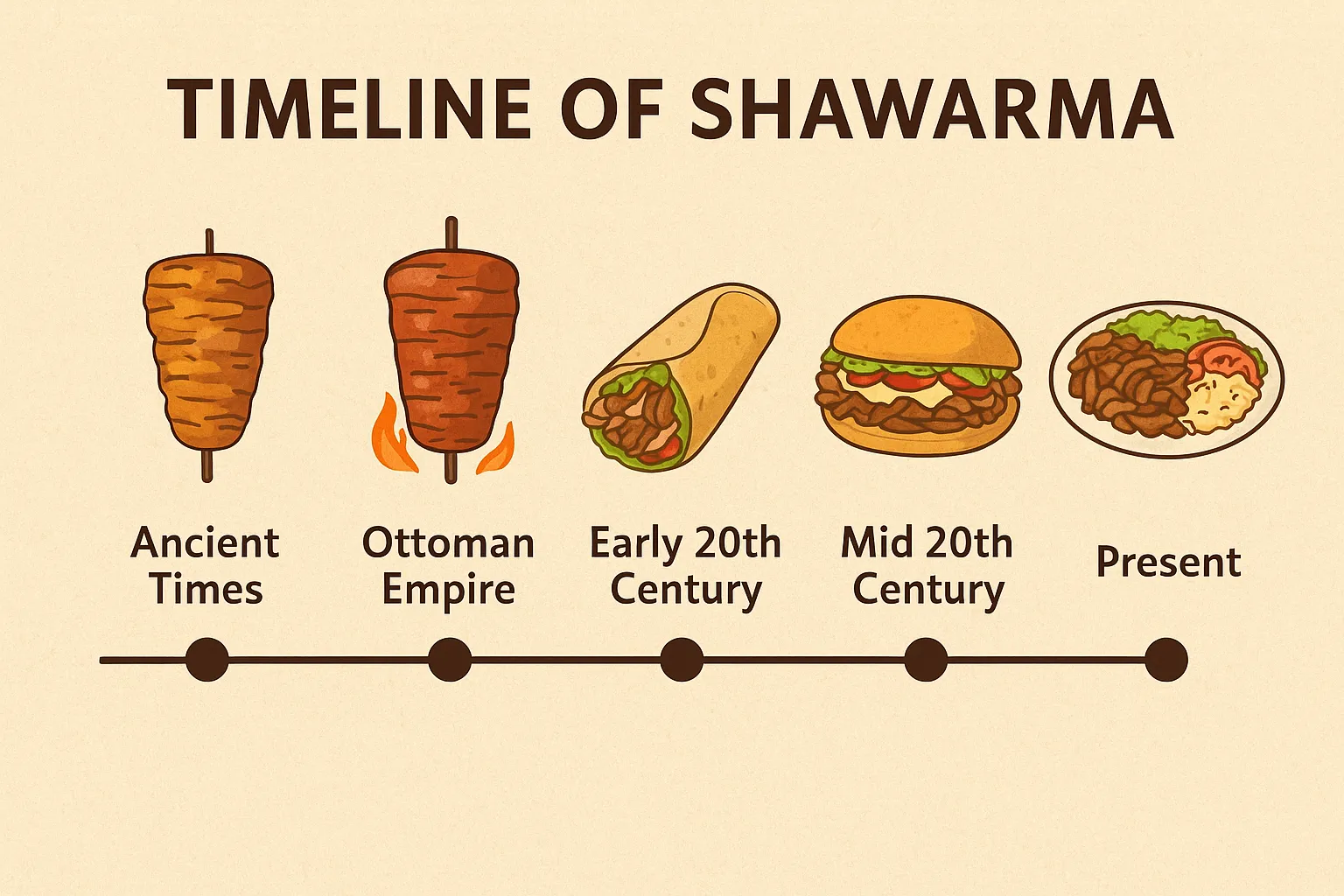
The story starts in nineteenth-century Turkey. Cooks figured out they could stack thin slices of meat on a vertical spit, let it rotate slowly next to a heat source, and shave off the crispy outer layer as it cooked. That was it. That simple Turkish technique became the foundation of shawarma.
Fun fact: The word “shawarma” itself comes from the Turkish word for “turning.”
The idea traveled across the Levant: Lebanon, Syria, and Jordan each put their own stamp on it. Eventually, it spawned Greek gyros and even Mexican tacos al pastor, both born from that same vertical spit concept.
Early versions stuck with lamb or mutton because the fat kept everything moist and flavorful. Over time, cooks started rotating in chicken, beef, and turkey to match different budgets and dietary preferences.
Today shawarma anchors Levantine cuisine and has fans worldwide. That slow rotation bastes the meat in its own juices, so every slice stays moist inside while the outside gets that perfect caramelized crust.
How Shawarma Is Prepared and Served
What is Shawarma? & how is shawarma prepared & served? It starts with thin cuts of meat soaking in marinade for hours, sometimes overnight. Shawarma marinades vary, but they often include a combination of warm spices, garlic, and acidic ingredients such as lemon juice or yogurt.
Then they stack those marinated slices high on the vertical spit, sometimes layering in pieces of fat for extra juiciness. The spit turns over a gas or electric heat, and the outer surface keeps cooking continuously.
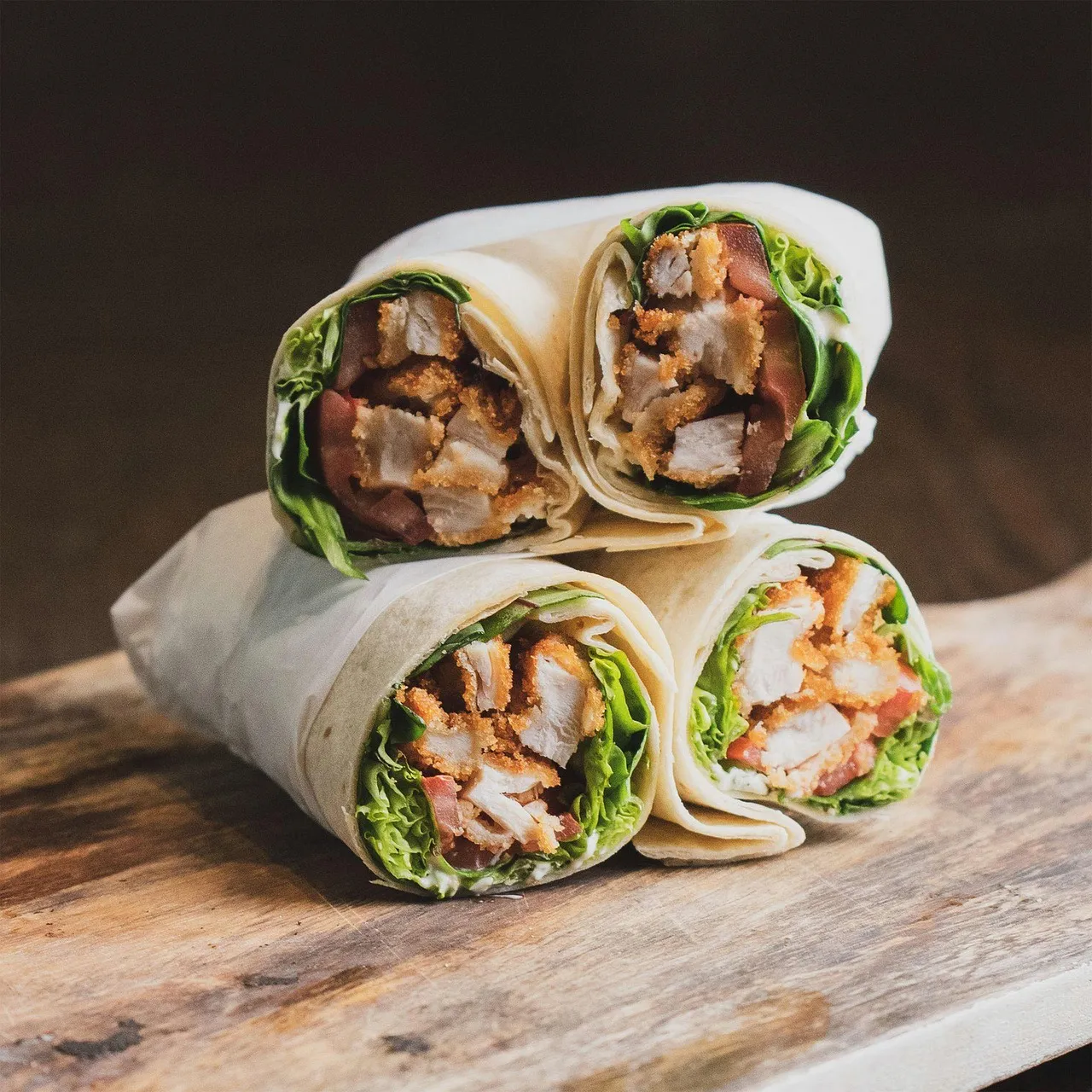
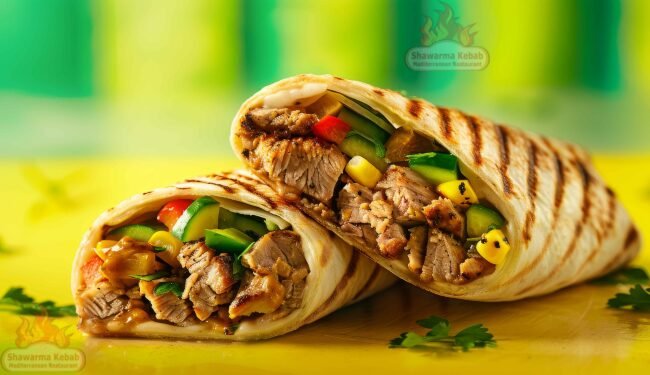
When it is ready, chefs shave off thin strips with a long, sharp knife and stuff them into pita, laffa, or lavash flatbread. They load in fresh tomatoes, onions, pickles, and lettuce, then finish it with garlic sauce, toum, tahini, or hummus.
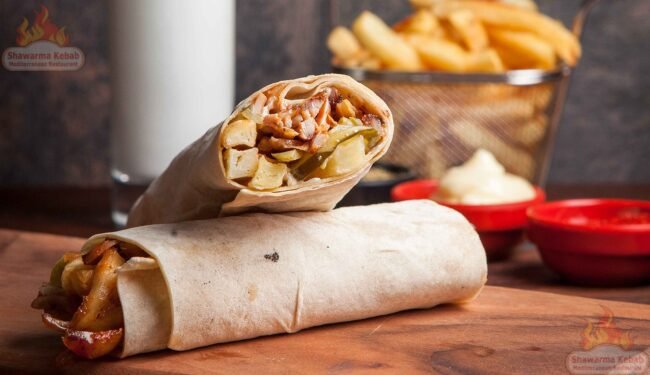
Some spots serve it on a plate with rice, fries, and salad instead of wrapping it up. Either way, you get a bold flavor and satisfying texture in every bite. If you want the real deal, try a classic chicken or beef shawarma at your nearest Middle Eastern restaurant and taste what that vertical spit actually does.
Not sure where to go? Hit up Shawarma Kebab on Market Street in West Chester. If you are in the mood to hang out, come down and chat over a great meal. If leaving the couch sounds impossible, just call us; we will bring it to you fresh and warm.
Regional Variations and Similar Dishes
Where the main concern of the foodies is, what is shawarma? And how many variations of shawarma? This is the answer for the foodies. The shawarma has come in regional variations like
Lebanese shawarma usually features chicken or beef with garlic sauce, pickled turnips, and tahini. Syrian versions amp up the spice blends and sometimes add amba mango pickle for a tangy kick. Turkish doner kebab uses the same vertical spit method but keeps the seasonings milder and swaps in different bread.
Greek gyros typically use pork or a ground meat mix seasoned with oregano and topped with tzatziki. And Mexican tacos al pastor? They adapted the spit for pork, then threw in pineapple and chili.
One simple idea, a thousand miles of travel. The vertical spit crossed borders and adapted to whatever ingredients were local, but the core technique never changed.
Street vendors everywhere now put their own spin on it. Some stuff french fries right into the wrap; others serve it open-faced. But no matter the variation, you are still looking at slow-roasted, seasoned meat cooked the old way.
Frequently Asked Questions | What is Shawarma
Is shawarma the same as doner or gyro?
They all spin on a vertical spit, but the spices, sauces, and meats differ. Shawarma leans on warmer Middle Eastern spice blends, while doner and gyro follow their own regional rules.
What meat works best in shawarma?
Chicken, beef, and lamb all work great. Lamb brings that traditional richness; chicken is lighter and shows up more often today.
Can I make shawarma at home without a spit?
Absolutely. Marinate thin slices and cook them in a pan or oven. You will not get the exact same crust, but the flavor comes surprisingly close.
Parting Thoughts
Shawarma keeps winning people over because it balances spice, tenderness, and convenience perfectly. It carries centuries of tradition onto modern plates and opens the door to Middle Eastern flavors for anyone willing to try.
For an authentic take, check out Shawarma Kebab in West Chester. We stick to the classic technique and quality ingredients, turning a simple meal into something worth remembering.
Tip: Grill for that smoky taste. It’s forgiving; add cheese or spice it your way.