Middle Eastern cuisine reflects centuries of trade, migration, local ingredients, and cultural exchange. Few foods demonstrate that history as clearly as shawarma.
Shawarma is now strongly associated with the Middle East, particularly the Levant. Its story, however, reaches back to the Ottoman tradition of cooking seasoned meat on a rotating vertical spit.
So, is shawarma Lebanese? Where was shawarma invented? And is shawarma Middle Eastern or Mediterranean?
The short answer is that shawarma has Ottoman cooking roots and a strong Levantine identity. It became part of Lebanese, Syrian, Palestinian, Jordanian, and other regional food traditions rather than belonging exclusively to one modern country.
Understanding that history also helps explain how Middle Eastern food developed through shared techniques, ingredients, and influences.
Middle Eastern Cuisine and the Origins of Shawarma
Middle Eastern cuisine is not one single cooking tradition. It includes many regional cuisines with their own ingredients, dishes, and techniques.
Shawarma is a good example of how those traditions can overlap.
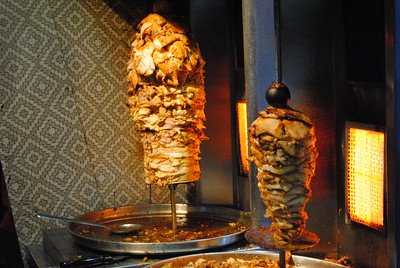
Cooking meat on spits existed long before modern shawarma. The important development was the vertical rotating spit, which allowed stacked meat to cook beside a heat source.
The browned exterior could then be shaved away while the remaining meat continued cooking.
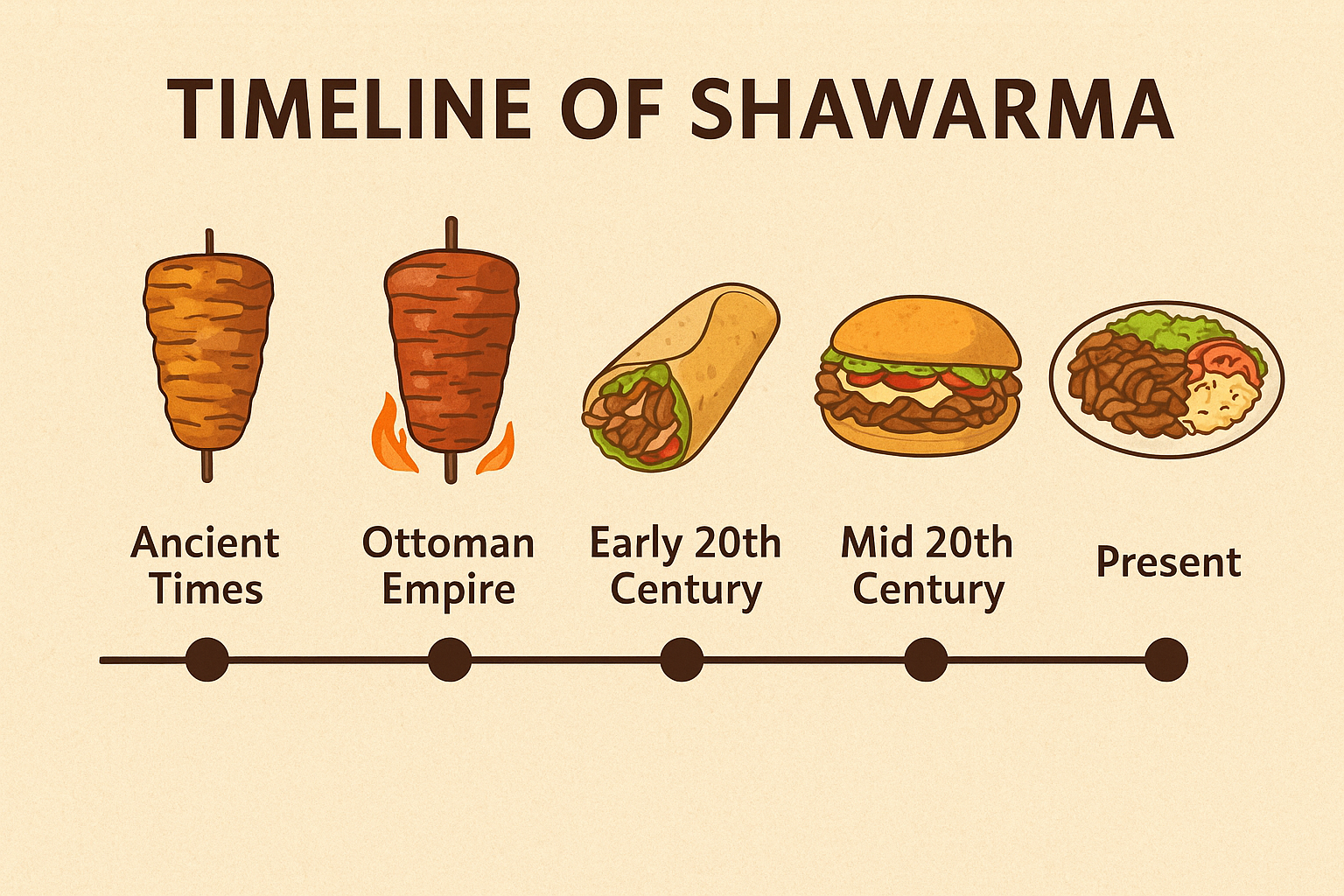
This technique became associated with Ottoman döner kebab during the 19th century. From that broader Ottoman tradition, related forms developed as the cooking method spread into other regions.
In the Levant, it eventually became the dish known as shawarma.
Shawarma History: Where Did Shawarma Come From?
The history of shawarma is therefore closely connected to the Ottoman Empire and Turkish döner.
By the mid-19th century, vertical-spit meat was already being prepared in the Ottoman world. Several individuals have been credited with developing the technique, although there is no universally established single inventor.
As the method spread, communities adapted it to their own tastes.
In Arabic-speaking parts of the Levant, different meats, marinades, seasonings, sauces, breads, and accompaniments helped turn the technique into the shawarma recognized today.
A useful way to describe its history is
Shawarma developed from the Ottoman döner tradition and became a distinctive part of Levantine Middle Eastern cuisine.
Is Shawarma Lebanese?
Yes, shawarma is part of Lebanese cuisine, but it is not exclusively Lebanese.
This distinction is important.
Lebanon has a well-established shawarma tradition, and shawarma is commonly associated with Lebanese restaurants around the world. However, the dish is also deeply established in Syria, Palestine, Jordan, and elsewhere in the Levant.
Food traditions developed across this region long before today’s national borders existed in their current form.
It is therefore more accurate to consider shawarma part of a shared Levantine culinary tradition rather than crediting its invention exclusively to Lebanon.
How Shawarma Fits Into Middle Eastern Cuisine
Shawarma demonstrates one of the defining characteristics of Middle Eastern cuisine: food traditions frequently cross modern borders.
A cooking technique might begin in one part of an empire, move through trade or migration, and then change according to local ingredients and preferences.
Shawarma followed that pattern. Its vertical-spit technique connects it to Ottoman döner. Its later development connects it strongly with the Arab cuisines of the Levant.
That is why Lebanese, Syrian, Palestinian, Jordanian, and other versions can share a recognizable cooking method while still having their own characteristics.
Where Was Shawarma Invented?
There is no reliably documented single person, restaurant, or modern country that can be identified as the sole inventor of shawarma.
The vertical-spit cooking method associated with its ancestor, döner kebab, developed during the Ottoman era and was documented by the 19th century.
The technique subsequently spread and evolved across the region. In the Levant, Arab communities adapted it into shawarma.
That makes statements such as “shawarma was invented in Lebanon” too simplistic. Saying that modern shawarma is purely Turkish is also incomplete because it ignores the dish’s development in Arab food cultures.
Its history is better understood as one of culinary exchange between Ottoman and Levantine traditions.
Is Shawarma Turkish or Arab?
The answer depends on which part of shawarma’s history you mean.
Its cooking ancestry is closely related to Turkish döner kebab and the Ottoman Empire.
Modern shawarma, however, developed into a distinctive food within Arab communities, particularly in the Levant.
Even the name tells part of this story. “Shawarma” is generally traced to the Turkish word “çevirme,” associated with turning or rotating.
As the cooking technique travelled into Arabic-speaking communities, the name, preparation, seasoning, and serving styles evolved.
So rather than choosing between Turkish or Arab, it is more accurate to say:
Shawarma has Ottoman Turkish roots and developed a distinct Arab Levantine identity.
What Ethnicity Is Shawarma?
Food does not have an ethnicity in quite the same sense as a person. A better question is, which culinary tradition does shawarma belong to?
Today, shawarma is primarily associated with Middle Eastern and Levantine cuisine.
The Levant generally refers to the eastern Mediterranean region that includes modern Lebanon, Syria, Jordan, Israel, and the Palestinian territories.
Centuries of migration, trade, imperial rule, agriculture, and cultural exchange created considerable overlap between the foods eaten across this region. Shawarma is one example of that shared culinary history.
What Is Shawarma?
Shawarma is seasoned meat cooked on a rotating vertical spit.
Depending on the recipe and regional tradition, chicken, lamb, beef, or combinations of meats may be used. The meat is stacked on the spit and slowly cooks beside a heat source.
As the outside browns, thin slices are shaved from the surface.
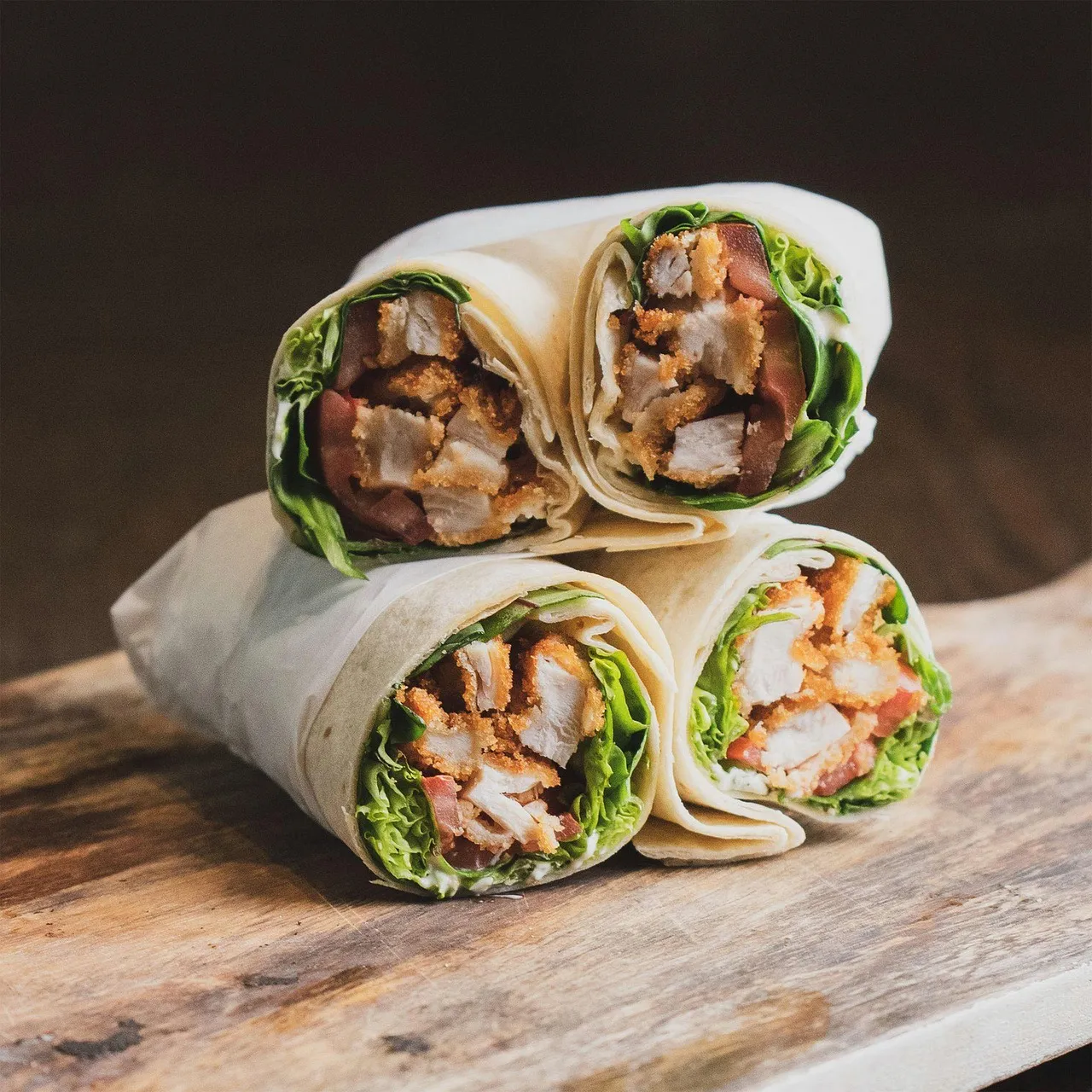
Shawarma can then be served in flatbread or as part of a platter. Depending on the regional style or restaurant, accompaniments can include pickles, vegetables, tahini, garlic sauce, hummus, rice, or salad.
The precise ingredients vary.
The defining feature is the stacked meat rotating vertically beside heat and being shaved from the cooked exterior.
Shawarma vs Döner: What’s the Difference?
Shawarma and döner are close relatives rather than identical dishes.
- Döner kebab belongs to the Turkish culinary tradition and is directly connected with the Ottoman development of vertical-spit meat.
- Shawarma developed from this broader cooking tradition in the Levant.
The fundamental cooking principle remains similar, but marinades, spices, meats, breads, sauces, and accompaniments differ between culinary traditions and individual recipes.
This distinction illustrates how Middle Eastern foods evolve. A cooking technique can travel between communities without every resulting dish becoming identical.
Is Shawarma Mediterranean?
Shawarma can reasonably be described as Eastern Mediterranean food, but “Middle Eastern” or “Levantine” is more precise when discussing its cultural background.
Lebanon and Syria, for example, are located along the eastern Mediterranean. Their cuisines naturally share ingredients and influences with other Mediterranean food cultures.
But “Mediterranean cuisine” is an extremely broad description.
Italian, Greek, Turkish, Lebanese, Moroccan, and Spanish cuisines can all be discussed within a Mediterranean geographical context while remaining distinct food traditions.
For shawarma, describing it as Levantine Middle Eastern food gives readers a clearer understanding of its origins.
How Shawarma Spread Beyond the Middle East
Migration played an important role in turning shawarma into an international food.
People moving from the Middle East brought their cooking traditions to Europe, North America, Latin America, and elsewhere.
Restaurants and food businesses introduced new diners to vertical-spit meat, flatbreads, pickles, garlic sauces, tahini, hummus, and other familiar accompaniments.
Shawarma also changed as it entered new food cultures. Local ingredients and preferences produced new combinations while the basic cooking method remained recognizable.
Today, shawarma can be found far beyond its Levantine home while remaining strongly identified with Middle Eastern food.
Shawarma, Gyros, and Tacos Al Pastor
Shawarma’s history becomes even more interesting when compared with other vertical-spit foods. Turkish döner and Levantine shawarma share historical connections through the Ottoman world.
Greek gyros uses a related vertical-spit cooking method but developed within its own culinary tradition. The technique travelled even farther through migration.
Lebanese migration to Mexico contributed to the development of tacos árabes, which in turn influenced the development of tacos al pastor. Meat is cooked on a vertical spit, or trompo, but Mexican ingredients and techniques transformed it into a distinctly local dish.
These foods are not simply different names for shawarma. Instead, they demonstrate how cooking methods can move between cultures and develop new identities.
How Shawarma Became a Modern Middle Eastern Favorite
Shawarma’s practicality is one reason it has endured. The rotating spit allows the exterior of the meat to cook and brown continuously. Portions can then be shaved as they are needed.
It also works in several serving formats.
Shawarma can become a convenient handheld wrap or pita. The same meat can be served over rice, salad, or hummus to create a larger meal.
Restaurants can also pair it with different sauces, vegetables, pickles, and sides. That versatility has helped shawarma move easily between street-food stalls, takeaway shops, casual restaurants, and international menus.
Middle Eastern Cuisine in West Chester
The history of Middle Eastern cuisine continues whenever traditional dishes find a home in new communities.
At Shawarma Kebab in West Chester, Pennsylvania, the current menu includes both Chicken Shawarma and Beef-Lamb Shawarma.
The meats are available in several formats, including platters, salads, wraps or pitas, and over hummus. Diners who want to try both can choose the Combo Plate with chicken and beef-lamb shawarma.
Shawarma is also only one part of the menu. Other dishes help show the variety associated with Middle Eastern and Mediterranean cooking.
Explore the Shawarma Kebab menu to see the current selection.
Frequently Asked Questions
Is shawarma Lebanese?
Shawarma is an established part of Lebanese cuisine, but it is not exclusively Lebanese. Its cooking ancestry connects to Ottoman döner, while shawarma developed throughout the Levant, including Lebanon and Syria.
Where is shawarma from?
Shawarma developed in the Middle East from the Ottoman tradition of vertically roasted döner meat. It subsequently became particularly associated with the Arab cuisines of the Levant.
Where was shawarma invented?
There is no reliably established single inventor or precise birthplace for shawarma itself. Its vertical-spit cooking technique developed from Ottoman döner during the 19th century before evolving into shawarma in the Levant.
Is shawarma Arab or Turkish?
Modern shawarma is strongly associated with Arab Levantine cuisine, while its cooking method has Ottoman Turkish roots. Both traditions are important to its history.
Is shawarma Middle Eastern cuisine?
Yes. Shawarma is widely considered a Middle Eastern dish and is particularly associated with Levantine cuisines such as those of Lebanon and Syria.
Is shawarma Mediterranean?
Shawarma can be described broadly as eastern Mediterranean because of its strong association with the Levant. Middle Eastern or Levantine is more specific when discussing its culinary identity.
Is shawarma the same as döner kebab?
No. They are closely related dishes based on vertical-spit cooking. Shawarma developed from the broader Ottoman döner tradition but evolved through Levantine seasonings, marinades, accompaniments, and serving styles.
Middle Eastern Cuisine and the Lasting Story of Shawarma
Middle Eastern cuisine developed through centuries of cultural exchange, and shawarma captures that history particularly well.
Its vertical-spit technique has Ottoman roots. The dish then developed across the Levant, becoming an important part of Lebanese, Syrian, Palestinian, Jordanian, and other regional food traditions.
That is why questions such as “Is shawarma Lebanese?” rarely have a one-country answer. Shawarma’s identity comes from a history in which techniques, ingredients, and traditions moved between communities.
Today, that same dish is eaten around the world while remaining closely connected to its Middle Eastern roots.
If you want to explore these flavours in West Chester, view the Shawarma Kebab menu and compare the current shawarma and other Middle Eastern-inspired options.