Is lamb a good source of protein? Yes. Cooked lamb commonly provides around 20–30 grams of protein per 100 grams, depending on the cut, fat content, and cooking method.
Lamb also provides nutrients such as iron, zinc, selenium, and vitamin B12. However, some cuts contain considerable fat, including saturated fat.
That means the lamb health benefits depend partly on the cut, portion, preparation, and what you eat with it.
Here’s what you need to know before choosing lamb for your next meal.
Is Lamb a Good Source of Protein?
Yes, lamb is a good source of protein.
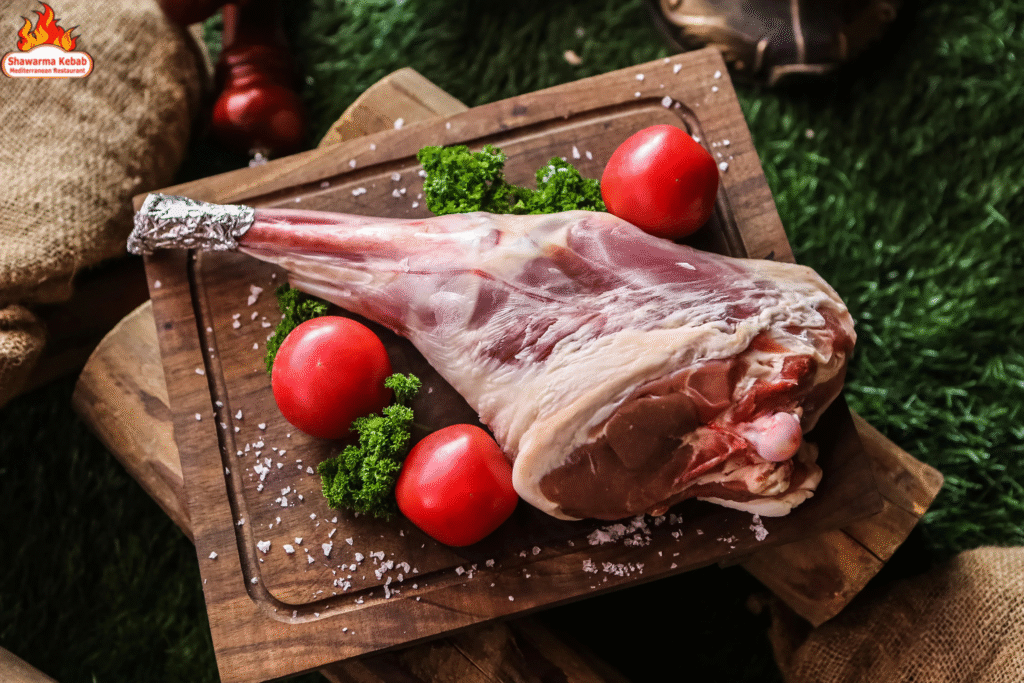
The exact amount varies because “lamb” covers many different cuts. Leg, loin, shoulder, and ground lamb do not have identical nutrition profiles. Trimming visible fat also changes the balance of protein, fat, and calories.
As an example, USDA reference data for cooked lean lamb shows that some trimmed cuts provide roughly 26–28 grams of protein per 100 grams.
Protein is needed for the growth, maintenance, and repair of body tissues. It also supplies amino acids that the body uses for many essential functions.
How Much Protein Is in Lamb?
There isn’t one correct number for every serving of lamb.
A reasonable general reference for 100 grams of cooked lamb is around 20–30 grams of protein, with lean cuts often sitting toward the higher end of that range.
Why such a broad range?
The number changes according to:
- the cut of lamb;
- How much visible fat is included
- whether the nutrition figure measures lean meat only;
- the cooking method;
- and how much moisture is lost during cooking.
For example, USDA-derived data for cooked lean lamb loin lists about 26.6 grams of protein per 100 grams, while cooked lamb loin containing both lean meat and fat can provide less protein per 100 grams because more of that weight comes from fat.
So, when comparing lamb nutrition, check which cut is being measured rather than relying on one number for every type of lamb.
What Are the Main Benefits of Lamb Meat?
The benefits of lamb meat extend beyond protein. Lamb can provide several vitamins and minerals as part of an overall balanced diet.
Here are some of its most notable nutrients.
1. Lamb Provides Complete Protein
Animal proteins such as lamb provide all nine essential amino acids.
These are called “essential” because your body cannot produce enough of them itself. They need to come from your diet.
This makes lamb a useful protein source for people who eat meat.
Higher-protein meals may also help some people feel fuller, although fullness depends on the complete meal and individual rather than one ingredient alone.
2. Lamb Provides Iron
Lamb contains heme iron, the form of iron found in animal foods. Iron is needed to make hemoglobin, a protein in red blood cells that helps transport oxygen around the body.
That does not mean eating lamb will automatically prevent or treat iron deficiency. Anyone concerned about low iron or anemia should seek appropriate medical advice rather than relying on one food.
3. Lamb Contains Zinc
Lamb can also provide a meaningful amount of zinc. Your body needs zinc for functions including normal immune function, protein synthesis, DNA synthesis, and wound healing.
The amount varies between cuts and serving sizes, so lamb should be considered one dietary source rather than a treatment for zinc deficiency.
4. Lamb Provides Vitamin B12
Vitamin B12 occurs naturally in animal foods, including lamb. The body needs vitamin B12 for normal red blood cell formation and neurological function.
This is another reason lamb can contribute useful nutrients alongside its protein.
5. Lamb Provides Selenium and Other Nutrients
Lamb also supplies selenium and several B vitamins.
Taken together, its protein, vitamins, and minerals make lamb a nutrient-rich meat. But nutrient density does not mean portion size or fat content should be ignored.
Is Lamb Fatty?
Yes, lamb can be a fatty meat, but the amount of fat varies considerably by cut.
This distinction is important.
A piece of lean lamb with visible fat trimmed away can have a very different nutrition profile from an untrimmed lamb chop or a fattier serving of ground lamb.
For example, USDA-derived reference data for cooked lean lamb loin lists around 9.8 grams of fat per 100 grams. The same general loin category with lean and visible fat included can contain more than 20 grams of fat per 100 grams.
In other words, asking “is lamb fatty?” without specifying the cut is a little like asking whether chicken is fatty. Chicken breast without skin and chicken wings with skin provide very different answers.
Is Lamb a Fatty Meat Compared With Chicken?
Lamb is generally higher in saturated fat than skinless chicken.
The American Heart Association notes that red meats, including lamb, generally contain more saturated fat than skinless poultry, fish, and plant protein sources.
If limiting saturated fat is important to you, choosing a leaner cut and trimming visible fat can make a meaningful difference.
Is Lamb Fat Good for You?
This question needs more nuance than a simple yes or no. Lamb fat contains different types of fatty acids, including both saturated and monounsaturated fats.
However, the presence of unsaturated fat does not make all lamb fat something to eat without limits.
Lamb also contains saturated fat. Eating too much saturated fat can increase LDL cholesterol, which is why health organizations recommend limiting it as part of a heart-healthy eating pattern.
The practical approach is simple: enjoy lamb in an appropriate portion, choose leaner cuts when desired, and consider the rest of your diet.
You do not need to fear every gram of fat, but there is also no nutritional reason to describe all lamb fat as “healthy fat.”
Is Lamb Healthy?
Lamb can be part of a healthy diet. Whether a particular lamb meal is a good choice depends on the cut, portion, preparation, and overall eating pattern.
Lamb provides:
- high-quality protein;
- iron;
- zinc;
- vitamin B12;
- selenium;
- and other vitamins and minerals.
At the same time, lamb is red meat, and some cuts can contain substantial saturated fat.
For a more balanced meal, consider choosing a leaner portion and eating it alongside vegetables, whole grains, legumes, or other plant foods.
Is Lamb Part of the Mediterranean Diet?
Lamb appears in the traditional cuisines of several Mediterranean and Middle Eastern regions, but that should not be confused with saying the Mediterranean diet is built around lamb.
Mediterranean-style dietary patterns emphasize vegetables, fruits, whole grains, beans, nuts, seeds, and olive oil. Fish and poultry are generally eaten more frequently than red meat.
Lamb can therefore appear in a Mediterranean-style eating pattern, but moderation and the complete meal matter.
Is Lamb Good for Building Muscle?
Lamb provides the protein and essential amino acids needed for building and maintaining muscle tissue.
That makes it a useful protein option for people with higher protein needs.
However, eating lamb by itself does not cause muscle growth. Resistance training, adequate overall protein and energy intake, recovery, and the rest of your diet all matter.
If you are choosing lamb specifically for protein while watching calories, leaner cuts generally provide a better protein-to-calorie ratio than fattier cuts.
Is Lamb Good for Weight Loss?
Lamb does not cause weight loss, but lean lamb can fit into a calorie-controlled diet.
Protein may increase feelings of fullness for some people, which can be useful when planning satisfying meals. Research on higher-protein diets and appetite supports a possible satiety effect, although results vary.
The key distinction is between protein content and total calories.
A lean serving of lamb can provide substantial protein without as much accompanying fat. A fattier cut or a meal with large portions and calorie-dense sides will have a different nutritional profile.
If weight management is your priority, consider the entire meal rather than labeling lamb itself a “weight-loss food.”
Is Lamb Healthier Than Chicken?
Neither meat is automatically healthier in every situation.
Chicken breast is typically leaner and can provide more protein relative to its calories. Lamb often contains more fat, but it also provides nutrients associated with red meat, including iron, zinc, and vitamin B12.
Your better choice depends on what you want from the meal.
If you want a lean protein option, chicken may suit you better. If you prefer red meat and its richer flavor, lamb can still fit into a balanced diet.
For a detailed comparison, read our guide to chicken vs. lamb protein.
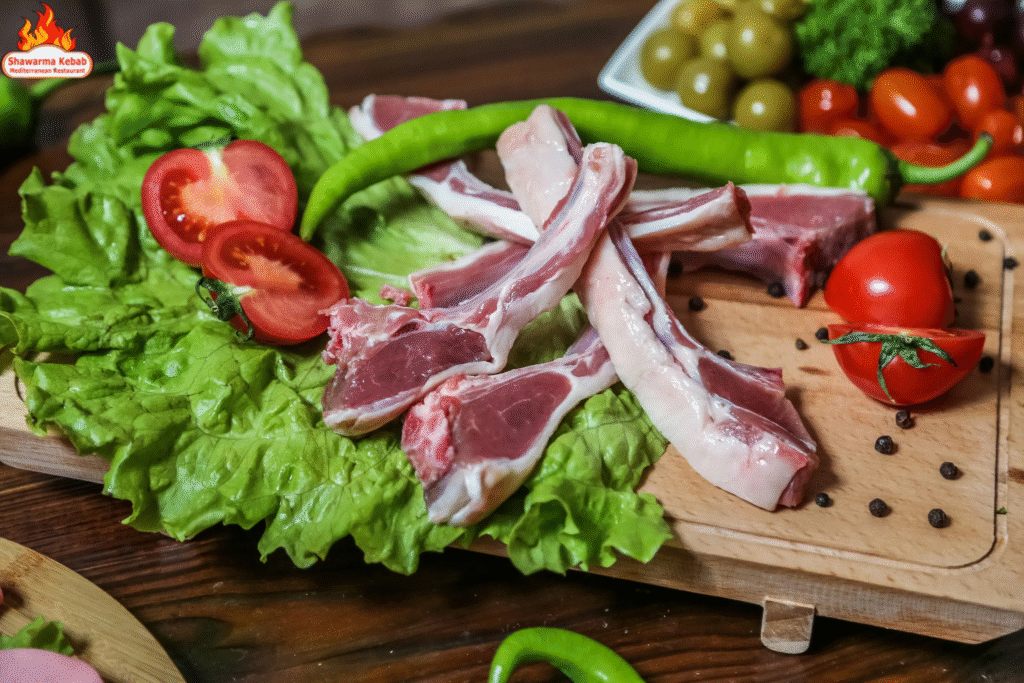
What About Lamb in Shawarma?
There is an important distinction between the nutrition of plain cooked lamb and a finished shawarma meal.
At Shawarma Kebab in West Chester, the menu currently offers Beef-Lamb Shawarma, rather than a plain lamb-only shawarma. That means generic nutrition data for cooked lamb should not be presented as the exact nutrition of the restaurant’s beef-lamb dishes.
The finished meal also changes depending on how you order it.
The current menu includes a beef-lamb shawarma platter served over rice with Greek salad and homemade pita bread, with tzatziki and shawarma sauce on the side. A beef-lamb shawarma salad and beef-lamb wrap or pita option are also available.
If you want to compare what’s currently available, view the Shawarma Kebab menu.
Choosing Between Chicken and Beef-Lamb Shawarma
Your choice does not have to come down to nutrition alone.
Choose chicken if you prefer a milder flavor and want a meat that generally aligns better with a lean-protein preference.
Choose beef-lamb if you prefer the deeper, richer flavor of red meat.
Shawarma Kebab also currently offers a combo plate with chicken and beef-lamb shawarma if you want to try both.
Exact protein, calorie, fat, and sodium values for these finished restaurant dishes should not be assumed unless a verified nutrition analysis is available.
How to Make Lamb Part of a Balanced Meal
If you enjoy lamb, you do not need complicated rules.
Start by considering the cut and portion. Trimming excess visible fat can reduce the amount of fat in the meal.
Then consider what’s around the meat. Vegetables, whole grains, beans, salads, and other plant foods can add fibre and variety that meat itself does not provide.
Grilling, roasting, or broiling can also avoid the additional fat associated with some frying methods.
Most importantly, look at your overall eating pattern rather than expecting one food to determine whether your diet is healthy.
Frequently Asked Questions
Is lamb a good source of protein?
Yes. Lamb is a good source of complete protein. Depending on the cut and preparation, 100 grams of cooked lamb commonly provides around 20–30 grams of protein.
How much protein is in 100g of lamb?
It varies by cut and fat content. Lean cooked lamb can provide roughly 26–28 grams of protein per 100 grams, while fattier cuts may provide less protein by weight.
Is lamb fat good for you?
Yes, lamb fat can be good for you in moderation. It contains conjugated linoleic acid (CLA), which can actually assist with weight management and help reduce inflammation in the body.
How much protein does lamb have?
Lamb is an excellent source of protein. A standard 100-gram serving of cooked lean lamb provides about 25 to 27 grams of complete protein, containing all the essential amino acids your body needs.
Is lamb fatty?
It can be. Some lamb cuts contain substantial fat, while lean cuts with visible fat trimmed away contain considerably less. Check the specific cut rather than treating all lamb as nutritionally identical.
Is lamb a fatty meat?
Lamb is a red meat and is generally higher in saturated fat than skinless chicken. However, total fat varies considerably between lamb cuts and according to how much visible fat is eaten.
Is lamb fat good for you?
Lamb fat contains both saturated and unsaturated fats. Because lamb can contain substantial saturated fat, it is better to consider portion size and your overall dietary pattern than to describe lamb fat simply as “good” or “bad.”
Is lamb healthy?
Lamb can be part of a healthy, balanced diet. It provides protein, iron, zinc, vitamin B12, and other nutrients. Choosing leaner cuts and balancing the meal with plant foods can help keep saturated fat in context.
What are the main benefits of lamb meat?
Lamb provides complete protein and several micronutrients, including iron, zinc, vitamin B12, and selenium. Its exact nutritional profile depends on the cut, serving size, and preparation.
The Bottom Line on Lamb Health Benefits
So, is lamb a good source of protein? Yes. Lamb provides substantial complete protein along with nutrients such as iron, zinc, selenium, and vitamin B12.
The main trade-off is fat. Lamb can contain more total and saturated fat than lean poultry, and the amount varies greatly between cuts. Choosing leaner meat, watching portion size, and balancing it with vegetables and other plant foods gives you a more useful approach than labelling lamb simply “healthy” or “unhealthy.”
If you’re deciding what to order in West Chester, explore the Shawarma Kebab menu to compare the current Chicken Shawarma and Beef-Lamb Shawarma options.