Lamb isn’t just a tasty form of protein. It is one of the most genuine, nutrient-packed meats out there.
In places like Greece, Lebanon, Turkey, and across the Mediterranean region, lamb shows up regularly in family meals, grilled with herbs, roasted with garlic, or skewered into kebabs.
It’s not eaten in huge portions every day, but when it is, it fits beautifully into the Mediterranean diet.
The diet is curated with decades of understanding and well-researched patterns tied to longer life, better heart health, and lower chronic disease risk. The key to maintaining moderation is managing quality ingredients and smart ways of cooking smartly.
Nutrient Profile of Lamb Health Benefits
Lamb’s nutritional profile makes it a prime candidate for anyone who wants to enhance their diet. A standard serving yields about 25 to 27 grams of lamb protein per 100 g, which is a considerable amount for muscle well-being and repair. Lamb is also full of essential vitamins and minerals like iron, zinc, vitamin B12, and selenium. These help play fundamental roles in preserving energy, immunity, and overall body function.
Lamb is thought of as a fatty meat by many, but fat lamb health benefits go beyond taste. Grass-fed lamb specifically has a higher content of omega-3 fatty acids than grain-fed lamb, which are important for heart and brain well-being. Lamb is also a natural source of conjugated linoleic acid (CLA), a special fat that may aid in weight management and reduce body inflammation.
Lamb Nutrition Facts Per 100g | Lamb Health Benefits
These are real numbers from reliable sources like USDA data. The stats are for roasted or grilled lean lamb (trimmed of excess fat):
- Calories: Around 200–290 (leaner cuts closer to 200–220).
- Protein: 25–27g — high-quality, complete protein with all the essential amino acids your body needs.
- Fat: 10–15g (mostly monounsaturated, similar to what’s in olive oil)
- Saturated Fat: 4–7g
- Iron: 2–2.5mg (heme iron, the kind your body absorbs best)
- Zinc: 4–6mg
- Vitamin B12: 2–3mcg (often more than 100% of daily needs)
- Plus, solid amounts of selenium, niacin, riboflavin, and B6.
These numbers vary a bit depending on the cut and whether it’s grass-fed, but the profile is consistently strong. What really sets lamb apart are the special compounds you don’t get as much of from other proteins.
The Standout Compounds in Lamb
- Creatine: Lamb naturally contains a good amount, roughly 300–500mg per 100g. Athletes also prefer the lamb-based Mediterranean diet because it helps fuel muscles during intense workouts, supports recovery, and aids muscle growth. Getting it from food like lamb feels more balanced than popping pills.
- Carnosine: This dipeptide (made from beta-alanine and histidine) acts as a buffer in muscles, fighting fatigue and supporting heart and muscle function. Lamb is one of the richer sources, which is why patients notice better exercise performance or less soreness when they include it regularly.
- Glutathione: Often called the body’s “master antioxidant,” it’s plentiful in red meats, including lamb. Glutathione helps deactivate free radicals, supports detox, and keeps inflammation in check. The process becomes even faster in grass-fed or pasture-raised lamb.
Heme iron from red meat, like lamb, is absorbed two to three times better than plant-based iron. This makes it excellent for preventing anemia and keeping energy steady.
Halal lamb has health benefits in the same way. The nutrition stays the same, focus on sourcing from trusted, ethical suppliers for the best quality.
Rich in Vitamins and Minerals | Lamb Health Benefits
The lamb-eating experience advantage is about more than taste; it is also about nutritional density. Lamb is one of the highest sources of vitamin B12, a nutrient that is critical for normal nerve function, DNA synthesis, and red blood cell production. It is also a good source of iron, heme iron in particular, which is better absorbed than the iron in plant foods.
Zinc is another mineral found in plentiful quantities in lamb, which aids in immune function, balance of hormones, and healing of wounds. Selenium, even though needed in limited quantities, plays a crucial role in antioxidant defense as well as thyroid functioning. These nutrients altogether make lamb a wonderful food for ensuring long-term well-being.
Lamb Fat Benefits and Heart Health
One of the lesser-known facts about lamb health benefits is that not all of its fats are bad. Although lamb does contain saturated fat, it also contains heart-friendly monounsaturated fats and omega-3 fatty acids. These healthy fats have been proven to reduce inflammation, assist brain function, and enhance cardiovascular health when eaten in moderation.
Grass-fed lamb contains a healthier composition of fats, with more omega-3 fatty acids and CLA than grain-fed lamb. This increases its nutritional value for those who desire the health benefits of lamb chops while still promoting heart health.
Promoting Weight Management
The question of whether lamb is good for weight loss is a fair one, and the answer is affirmative if it is consumed reasonably. Lamb’s richness in protein supports a sense of fullness, which can minimize overall calorie intake. Feeling fuller for longer can facilitate compliance with a healthy meal plan without deprivation.
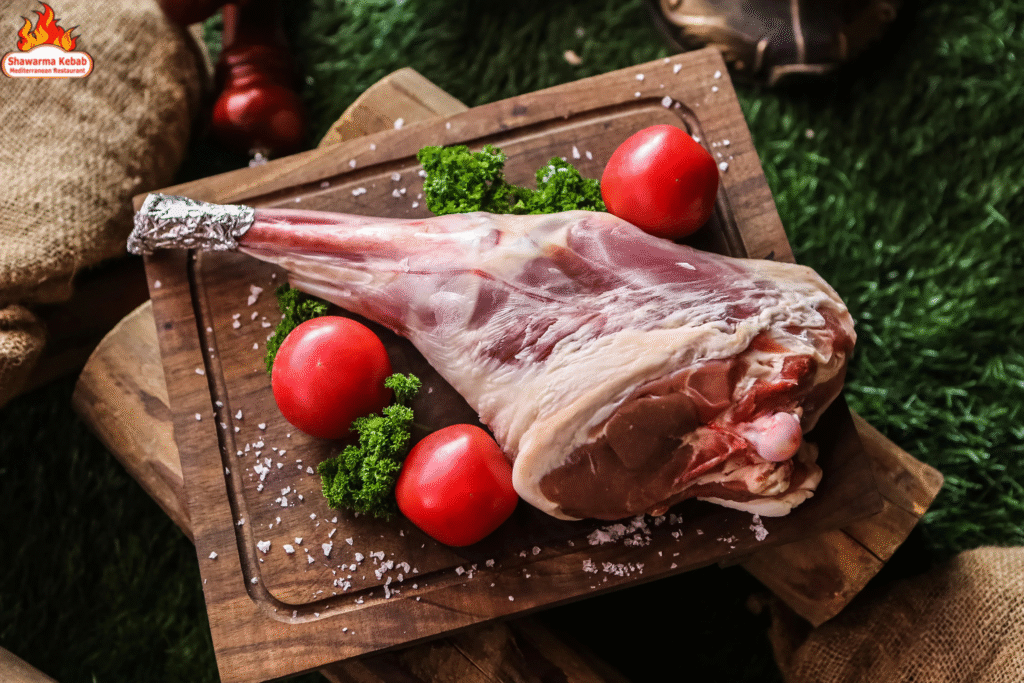
CLA in lamb can also assist with fat metabolism, allowing the body to utilize stored fat for energy. Opting for leaner cuts like leg of lamb or trimmed lamb chops will yield all the benefits without too much fat consumption.
Lamb Benefits for Male Health
As far as lamb benefits to male health are concerned, lamb is especially notable for containing zinc. Zinc is crucial for the production of testosterone, reproductive health, and overall well-being in men. Continuous consumption of zinc-containing foods such as lamb can maintain hormonal balance, thereby enhancing muscle growth, energy levels, and immune vigor.
Moreover, the iron and B vitamins combined in lamb improve energy and stamina, thus making it especially healthy for men with busy lifestyles or stressful working routines.
Is Lamb Healthier Than Beef?
“Lamb is healthier than beef is a question that often boils down to nutritional differences. Both meats are great sources of protein and nutrients, yet lamb tends to have higher levels of omega-3 fatty acids and CLA, particularly when raised on grass. These fats provide some added benefits to heart and metabolic health.
Conversely, beef can have slightly lower saturated fat content depending on the cut. Both are healthy foods to include in one’s diet, yet selecting leaner lamb cuts makes it an even better candidate for those looking to decrease saturated fat consumption.
Digestive Benefits and Bioavailability
Another good thing about lamb is how easily digestible it is for a lot of individuals. Lamb’s proteins and fats are well absorbed, and its vitamin B12 and iron are in forms that can be utilized by the body more effectively than with plant-based alternatives.
For individuals with minor digestive sensitivities, lamb health benefits also include that it can be an easier option than other meats. Its nutrient bioavailability ensures that your body derives the best possible benefit from each serving.
How Lamb Supports Muscle Growth
The combo of top-tier protein, creatine, carnosine, and B-vitamins makes lamb particularly good for building and maintaining muscle.
Many of my active patients say they feel noticeably more energized after a lamb meal that “Why do I feel so good after eating lamb?”
The question often comes down to replenished iron stores, antioxidant support from glutathione, and the muscle-friendly compounds kicking in.
Does lamb have omega-3?
Yes, and more so in grass-fed or pasture-raised varieties. These can provide meaningful amounts of ALA (and some longer-chain forms), contributing to a better omega-3 to omega-6 balance, though it’s not as high as in salmon, it adds up nicely in a varied diet.
Cooking Tips for Healthier Lamb Dishes
Preparation of lamb makes a significant difference in its health benefits. To reap the most health benefits from lamb, choose lean cuts such as leg of lamb or trimmed chops. Nutrients are preserved when lamb is cooked by grilling, roasting, or baking and not using excess oil.
Combining lamb with fresh vegetables, whole grains, and healthy fats provides a balanced dish. Adding flavor without excess sauces by utilizing fresh herbs, garlic, lemon, and olive oil brings out the natural flavor of lamb while maintaining its healthfulness.
Lamb in a Balanced Diet
Adding lamb to your diet in moderation, two to three times per week, can deliver important nutrients without overloading on saturated fats. Pairing lamb with vegetable proteins, vegetables, and whole grains assists in creating variety and maintaining meal interest.
This way, you are able to gain the benefits of lamb alongside other nutrient sources, maintaining a balanced and fulfilling diet.
Lamb and Immune System Support
One of the lesser-touted but far more valuable lamb health benefits is its role in the support of a healthy, robust immune system. Because zinc is so highly contained within lamb, it is vital for the production and activation of immune cells to help the body fight off infections far better.
Vitamin B12 also plays an important role in aiding immune health by ensuring proper oxygen transport and generally maintaining energetic strength. Having lamb as part of your diet during cold weather or periods of heightened stress can assist in maintaining your immune defenses intact.
This not only makes the eating of lamb a culinary experience but also provides your body with what it requires to remain healthy throughout the year.
Some Common Health Questions | Lamb Health Benefits
Is lamb a healthy meat?
In moderation, yes, it’s nutrient-dense and provides benefits that go beyond basic macros.
Is lamb healthier than fish?
Fish is typically lower in saturated fat and richer in omega-3 fatty acids and thus a healthy choice for the heart. Lamb, however, is richer in iron, zinc, and vitamin B12, so both can find room in an eclectic diet.
Is lamb meat healthier than chicken?
It depends on what you’re after. Chicken is lean and lower-calorie, with strong B-vitamin content. Lamb edges it out on iron, zinc, B12, selenium, and those unique bioactive compounds like creatine and carnosine.
Research shows that including lean red meat like lamb in a balanced diet doesn’t harm cholesterol or heart markers compared to white meat; in fact, the Mediterranean approach proves it can be part of a very healthy pattern.
Is lamb keto-friendly?
Yes, zero carbs, high in fat and protein. Perfect for low-carb or ketogenic eating.
Is lamb shawarma healthy?
When it’s made with lean cuts, grilled instead of fried, and loaded with veggies, herbs, and yogurt sauce, absolutely. It’s a classic Mediterranean street food that packs flavor and nutrition.
Healthiest Ways to Cook Lamb Kebabs
Keep it simple and Mediterranean-inspired to maximize benefits:
- Cube lean leg or shoulder meat.
- Marinate overnight in olive oil, lemon juice, garlic, oregano, cumin, and a pinch of salt.
- Thread onto skewers with onions, peppers, and tomatoes.
- Grill over medium heat for 8–12 minutes, turning occasionally, until medium (internal temp around 145°F/63°C).
- Serve with tzatziki, fresh salad, and whole-grain flatbread.
Grilling or broiling preserves nutrients and adds minimal extra fat; skip deep-frying or heavy sauces.
Parting Thoughts | Lamb Health Benefits
Lamb has earned its spot in one of the world’s healthiest diets for good reason. Choose quality cuts (grass-fed when you can), cook thoughtfully, and enjoy them as part of meals rich in plants and healthy fats. Your body gets real nourishment, and your taste buds stay happy.
Shawarma Kebab Restaurant offers you a chance to relish fresh lamb preparations prepared with real spices and nutritious cooking techniques. They deal with serving delicious lamb meals that fill your taste buds with delight while delivering the necessary nutrition to your body.