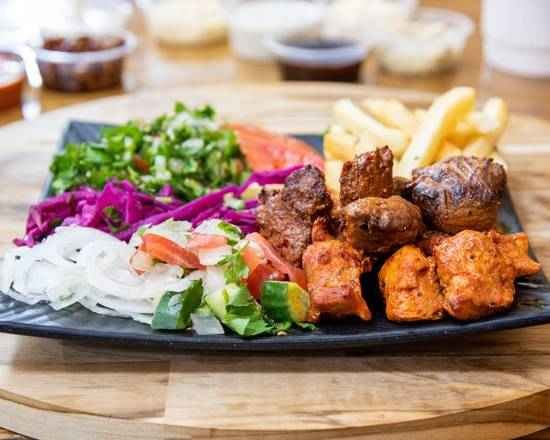
Late-night scroll got you craving something grilled and juicy? Kebabs are that universal comfort food: meat or veggies on a stick, spiced up, and charred just right. But man, there are so many kebab varieties out there, from street carts in Istanbul to backyard barbecues everywhere.
We have been in the kebab business for generations and have chased down a few trips to some local spots. They have their uniqueness, but they aren’t the same.
Let’s chat about 10 famous ones worth hunting for, ranked loosely by what I’d tell you to try first if you’re new to the game. We’ll hit the classics, the spicy ones, and a couple of surprises.
Grab the tea; we are spilling some.
Kebab Varieties: Starting with the Gateway Ones
If you’re just dipping your toes, start simple. The best kebab to try first? Something approachable but packed with flavor.
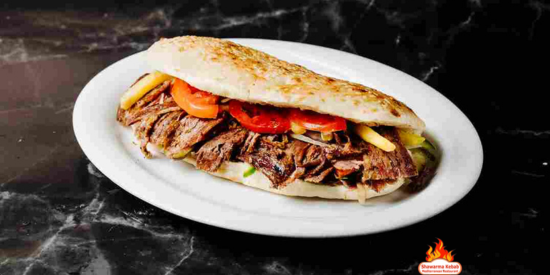
- Döner Kebab (Turkey/Germany): The king of street food. Layers of marinated lamb, beef, or chicken are stacked on a vertical rotisserie and shaved thin as it cooks. Stuffed into a pita with salad, sauce, pure magic. Germany’s version with garlic sauce? Addictive.
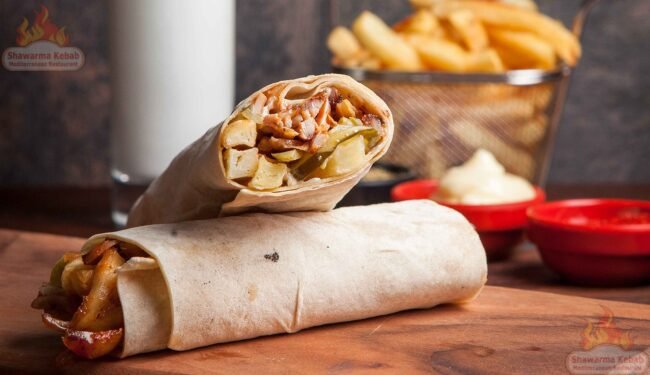
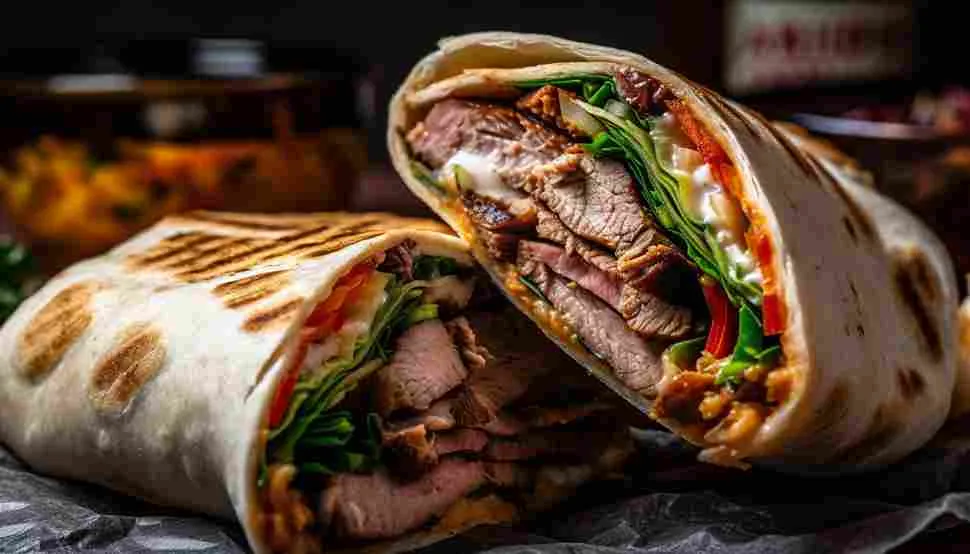
- Shawarma (Middle East): It has a similar vibe to döners but is infused with Arab spices such as cardamom, cinnamon, and garlic. The proteins used are chicken or lamb, wrapped in flatbread with tahini and pickles. This is a fix for hunger at the oddest hour.
- Gyros (Greece): Beef or chicken on the spit, sliced into warm pita with tzatziki, tomatoes, and onions. It has crispy edges and is served with cool yogurt for the perfect balance.
Middle Eastern Kebab Types
These are the ones where minced meat meets serious spices.
- Adana Kebab (Turkey): Hand-minced lamb with red pepper flakes and tail fat for juiciness, skewered long and grilled hot. They are made super spicy and smoky and served with charred veggies.
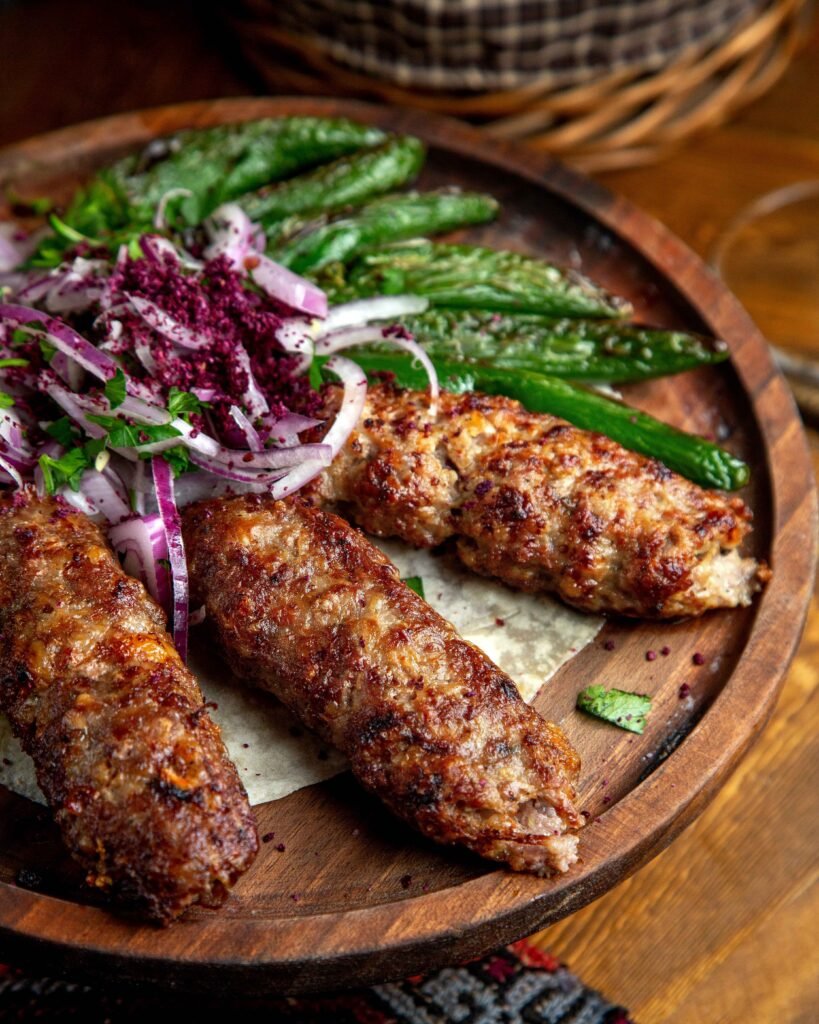
- Koobideh (Persia/Iran): Ground beef or lamb mixed with grated onion, salt, and pepper—simple but insanely tender. Grilled on wide skewers and served with saffron rice and grilled tomatoes.
Mediterranean Kebab Varieties
Chunked meat marinated and skewered with veggies, summer grill vibes.
- Shish Kebab: The classic “shish” means skewer. Cubes of lamb, beef, or chicken marinated in yogurt or oil, grilled with peppers and onions. Origins trace back centuries, timeless for a reason.
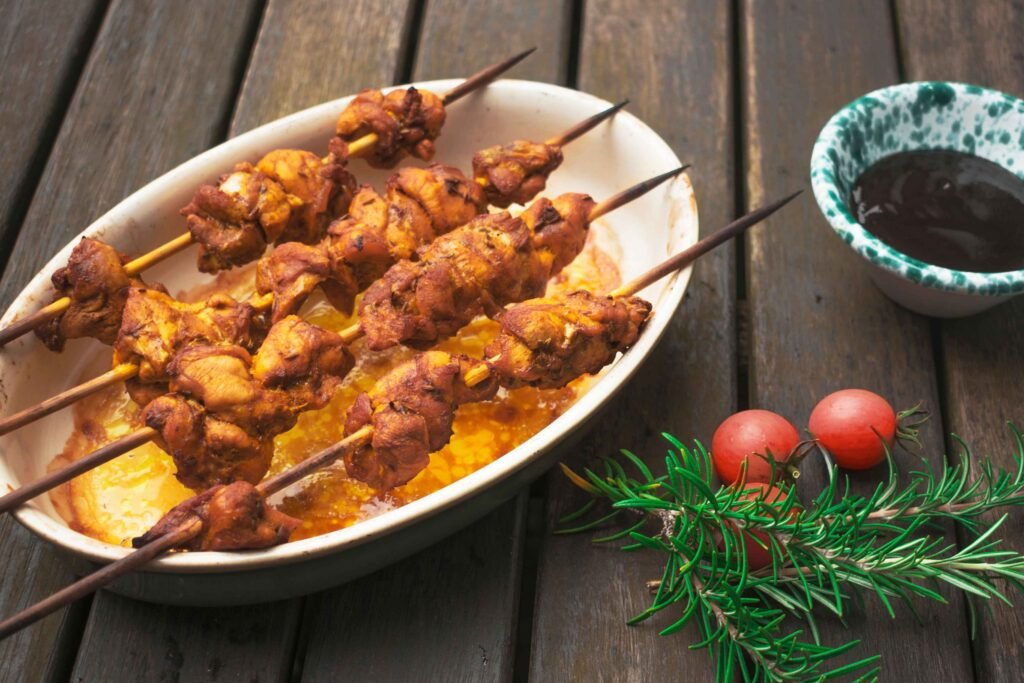
- Shish Taouk (Lebanon): A chicken version marinated in garlic, lemon, and yogurt. Bright, tangy, and pairs killer with garlic sauce.
Pakistani Kebab Varieties: Spice Explosion
Pakistani takes kebabs to tandoor heaven, smoky clay oven magic.
- Seekh Kebab: Minced lamb or goat with ginger, garlic, green chilies, and cilantro, molded on skewers and tandoor-cooked. Crispy outside, juicy inside, dipped in mint chutney.
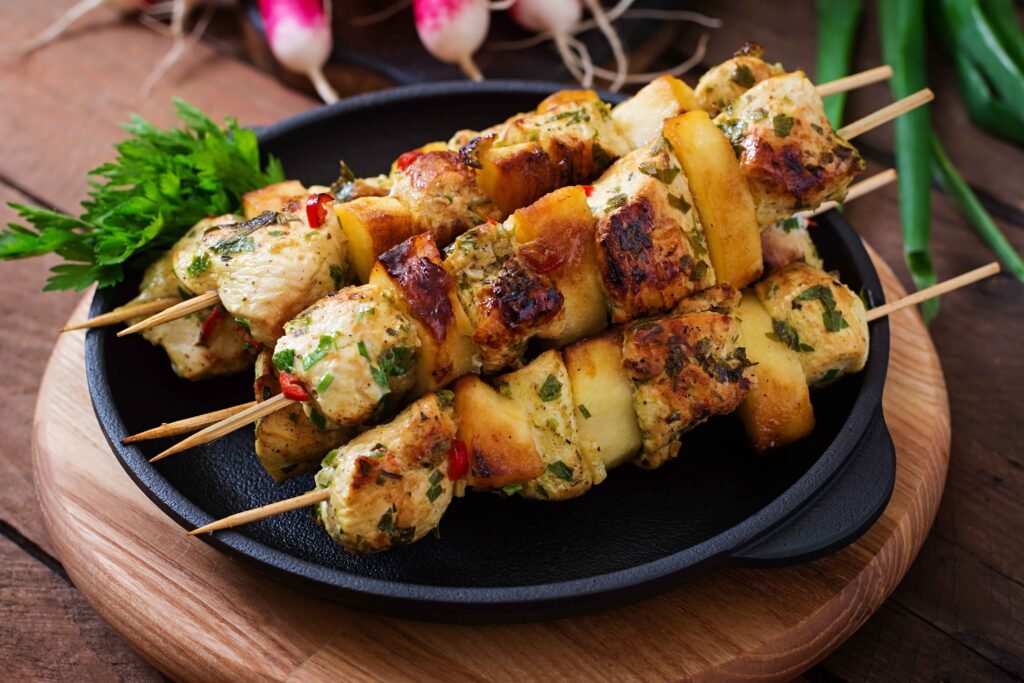
- Hariyali Kebab: Chicken or paneer in green marinade (mint, cilantro, spinach). Fresh and herby—great for non-red meat fans.
- Galouti Kebab (Lucknow, India): Ultra-tender minced lamb patties, legend says, made for a toothless nawab. Melt-in-mouth with raw papaya tenderizer.
Frequently Asked Questions
What is Adana kebab?
Spicy Turkish ground lamb kebab from Adana city, hand-chopped, fat-integrated, and fiery with peppers.
What is seekh kebab?
Pakistani minced meat skewer, spiced heavy, cooked in a tandoor till charred.
What should I order?
Newbie? Start with döner or shawarma. Spice lover? Adana or seekh. Safe bet: Shish kebab.
What meat is kebab made from?
Traditionally, lamb or goat, but beef, chicken (preferably beef in gyros), or even fish or veggies now. Depends on the region and halal/kosher rules.
What is shish kebab?
Cubed meat (often lamb) marinated and grilled on skewers with veggies, the original “kebab” style.
Final Thoughts
Wrapping this up like a perfect wrap: Kebab varieties are endless, but these 10 are legends for a reason.
Next time you’re out, skip the usual and try one; your taste buds will thank you. Got a favorite I missed? Or hunting kebab near Westchester?
Shawarma Kebab is the place to visit, or feeling lazy, give us a call. We whip up the kebab of your choice and serve it hot for those late-night hunger pangs.