There’s something about the way Arabic food starts a meal that makes everything that follows feel more special.
Before the main course even arrives, the table fills up: small dishes, bright colors, bold aromas, and flavors that immediately tell you this meal means business. Arabic appetizers don’t ease you in gently. They grab your attention from the first bite and hold it.
If you’ve never explored this side of Mediterranean and Middle Eastern cuisine, you’re in for a real treat. And if you already know and love these dishes, this is your reminder to stop waiting for a special occasion.
What Are Traditional Arabic Appetizers?
Traditional Arabic appetizers go by a collective name most food lovers have heard: meze. The word itself comes from a culture of sharing, multiple small dishes arranged across the table so everyone reaches, tastes, and passes. It’s communal eating at its finest.
These dishes draw from centuries of culinary tradition across Egypt, Lebanon, Syria, Jordan, and other parts of the Middle East.
Each region puts its own signature on the classics, but certain dishes show up consistently because they’ve earned their place at the table.
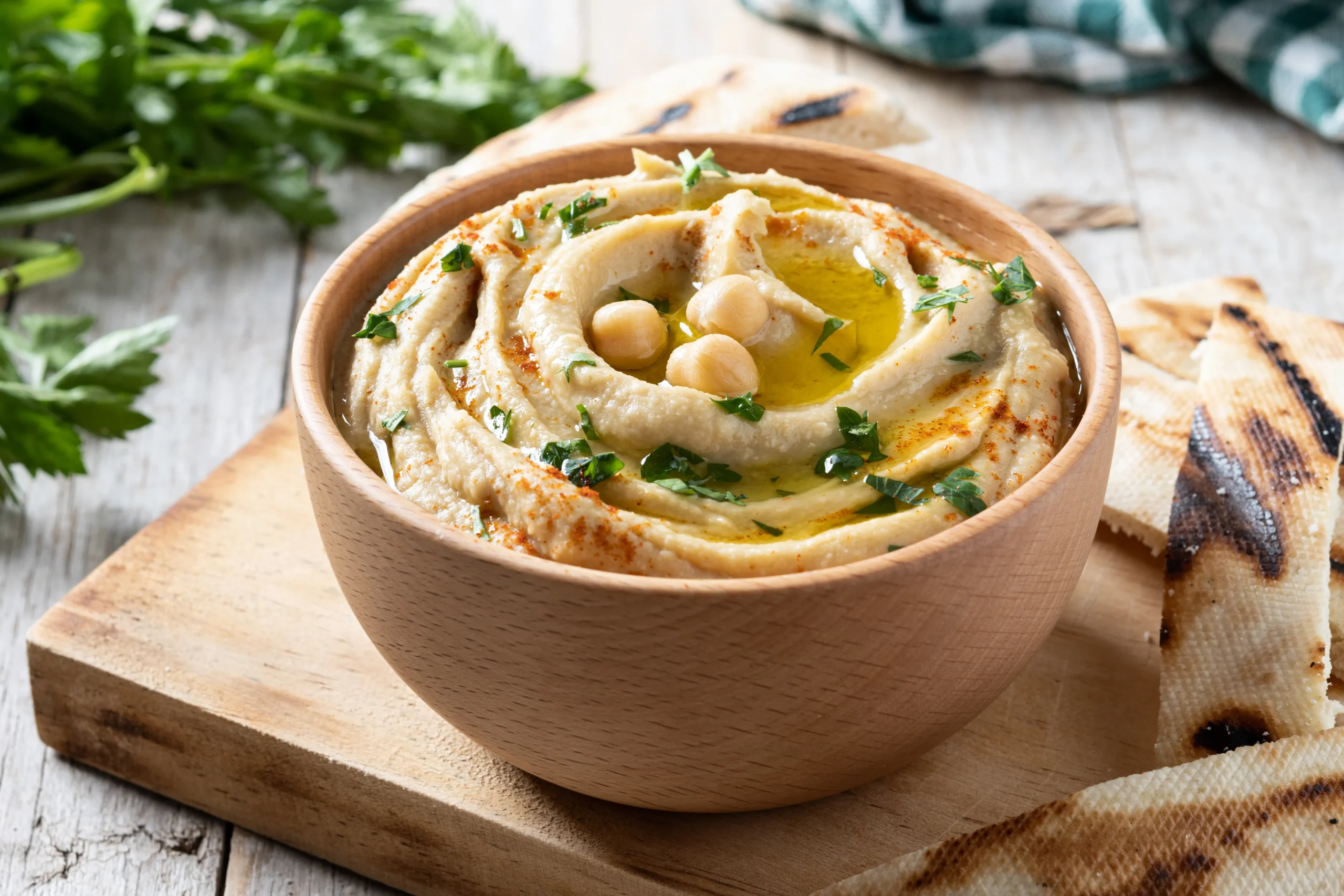
Hummus leads the charge: a smooth, creamy blend of chickpeas, tahini, lemon, and garlic that works as a dip, a spread, or an accompaniment to almost anything.
Alongside it sits baba ganoush, roasted eggplant mashed into a smoky, silky dip that surprises people who’ve never tried it. Falafel, crispy on the outside, tender and herb-packed on the inside, rounds out the trio that defines Arabic appetizers for most of the Western world.
But the tradition runs deeper than those three. Stuffed grape leaves (warak dawali) bring rice and herbs wrapped in a tender vine leaf.
Fattoush salad tosses fresh vegetables with toasted pita and a tangy sumac dressing. Tabbouleh layers finely chopped parsley, tomatoes, and bulgur wheat with lemon juice in a way that feels light but hits with flavor.
Then there’s labneh, strained yogurt drizzled with olive oil and dusted with za’atar, a dish so simple it almost seems too easy, until you taste it and realize simplicity done right needs no apology.
What Spices Are Used in Arabic Appetizers?
The spice profile of Arabic cuisine is one of the things that sets it apart immediately. These aren’t heavy, overwhelming blends. Instead, they layer warmth, earthiness, and brightness in a way that builds flavor without masking the natural taste of the ingredients.
Cumin shows up everywhere. It brings a warm, slightly smoky depth that anchors everything from hummus to falafel. Coriander pairs with it often, a little citrusy, a little floral, and always adds complexity.
Za’atar deserves its own mention. It’s a blend of dried thyme, sumac, sesame seeds, and salt that tastes like nothing else.
Sprinkled over labneh, mixed into doughs, or used as a dip with olive oil, za’atar is one of those flavors that becomes unforgettable once you’ve had it done right.
Sumac is another cornerstone spice. It’s tart and slightly fruity, and it replaces lemon in situations where you want acidity without liquid. Fattoush salad leans heavily on sumac for that bright, tangy kick.
Allspice, known in Arabic cooking as “baharat,” brings warmth and a hint of clove-like sweetness. Fresh parsley and mint act almost like spices in their own right, adding freshness that balances the deeper, richer flavors on the table.
Together, these spices create an experience that feels both unfamiliar and immediately comforting, the kind of flavor profile that makes people ask, “What exactly is in this?” even when they can’t stop eating it.
Easy Arabic Appetizers to Make at Home
The good news about this cuisine is that many of these dishes translate well to a home kitchen. You don’t need professional equipment or rare ingredients.
Hummus starts with a can of chickpeas, tahini, garlic, lemon juice, olive oil, and a blender. The trick lies in blending it long enough to get that genuinely smooth texture.
Most people stop too early. Add a splash of ice water while blending and let it run for a full two or three minutes.
Falafel takes a little more effort but rewards it generously. Soak dried chickpeas (not canned; this matters for texture) and blend them with parsley, garlic, cumin, coriander, and a pinch of baking soda.
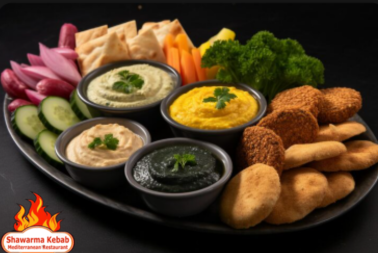
Shape them into balls or patties and fry until deep golden. Serve with tahini sauce, and you’ve got something that holds its own against any restaurant version.
Labneh requires almost no cooking at all. Strain plain yogurt through a cheesecloth overnight in the fridge, and by morning, you have a thick, creamy cheese ready for olive oil, za’atar, and fresh pita.
Making stuffed grape leaves takes patience, but the result is worth it. Cook rice with allspice, cinnamon, and fresh herbs, roll it into brined grape leaves, and simmer them until tender. Make a large batch; they disappear faster than you’d expect.
Best Arabic Appetizers for a Dinner Party
Planning a dinner party around Arabic meze is one of the smartest hosting decisions you can make. The format does most of the work for you. Spread everything across the table before guests sit down, and the communal nature of the spread immediately creates conversation and energy.
For a dinner party spread, lead with hummus and baba ganoush as your anchor dips. Add a fattoush salad and tabbouleh for freshness and color. Bring in falafel as the crowd-pleasing centerpiece, and set out labneh with za’atar and olives for something lighter between bites.
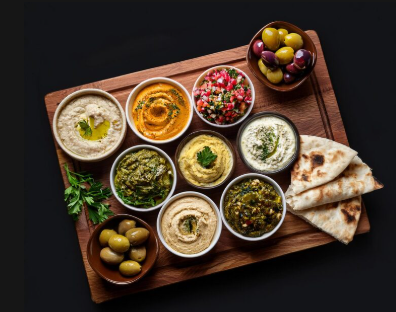
Warm pita bread ties everything together. Keep a stack coming from the oven throughout the meal, soft, pillowy, and perfect for scooping every last bite from every bowl.
This format works especially well because it removes the pressure of timing multiple courses. Everything arrives together. Everyone starts eating immediately. And the conversation flows because no one feels locked into the rigid pace of a formal multi-course meal.
Arabic Appetizers Near Me in West Chester, PA
Making these dishes at home is deeply satisfying. But sometimes you want someone else to do the cooking, and you want it done right.
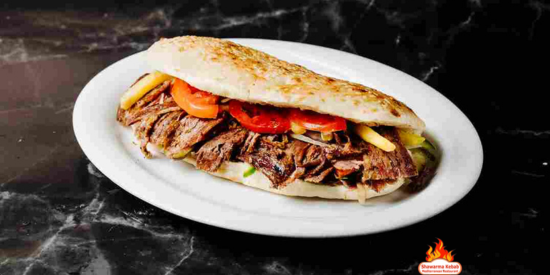
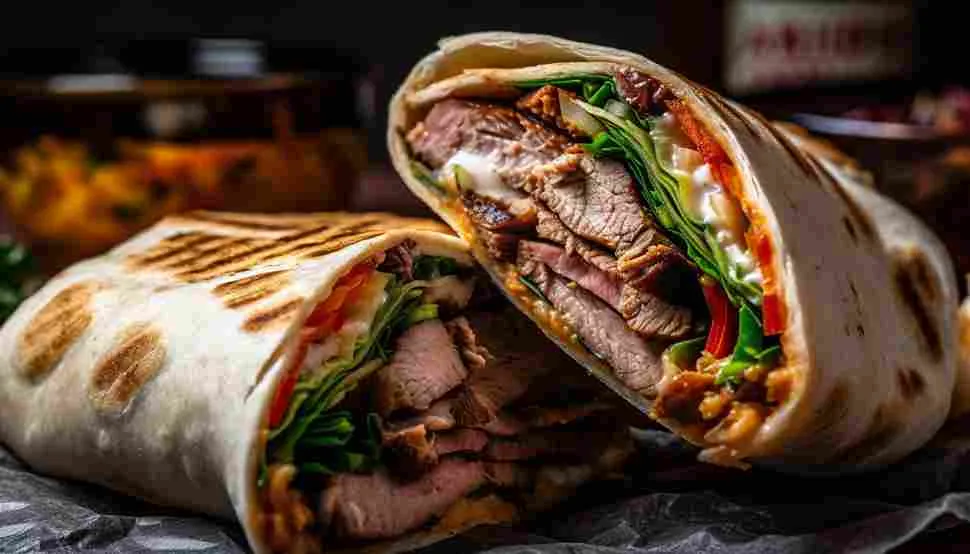
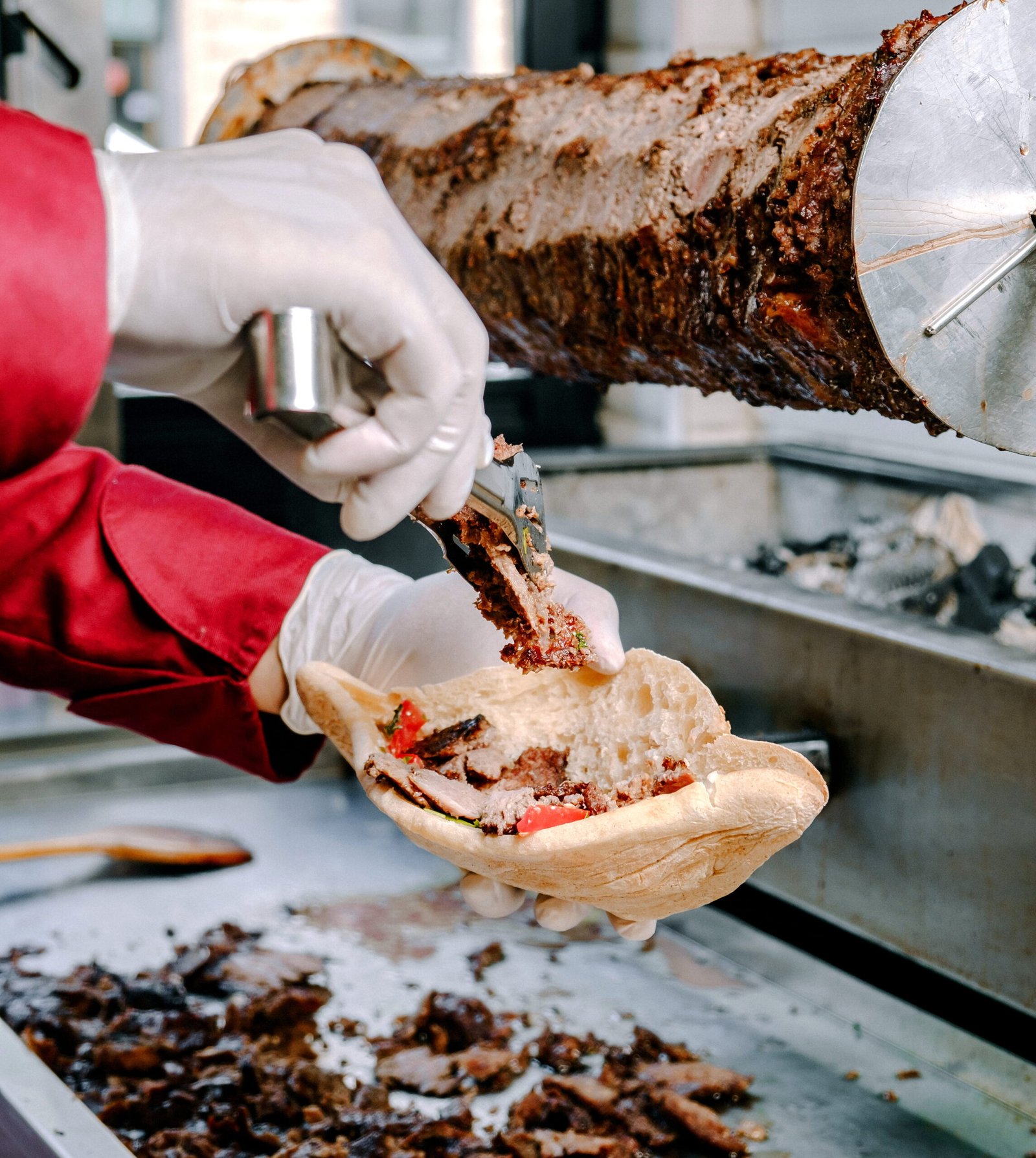
Suppose you’re looking for Arabic appetizers near me in West Chester, PA. Shawarma Kebab is at 38 E. Market Street brings authentic Mediterranean and Middle Eastern flavors to the table every day.
The falafel here earns consistent praise for being moist, flavorful, and nothing like the dried-out versions that give falafel a bad name elsewhere. The hummus and tahini sauces are homemade. The ingredients are fresh and 100% halal.
Whether you want to sit down and enjoy the full experience or grab a takeout order on your way home, the kitchen handles it with the same level of care. Order online at shawarma-kebab.com.
The Takeaway
Arabic appetizers don’t just start a meal. They set a tone. They tell your guests, or your own hungry self, that what follows will be worth paying attention to.
The flavors are bold, the tradition runs deep, and once you discover how much this cuisine offers, you’ll wonder how you went so long without it.
Try them at home. Share them with people you care about. Or let Shawarma Kebab handle it for you tonight.
Either way, eat well.